What Is an Underbite, and How Do You Fix It?
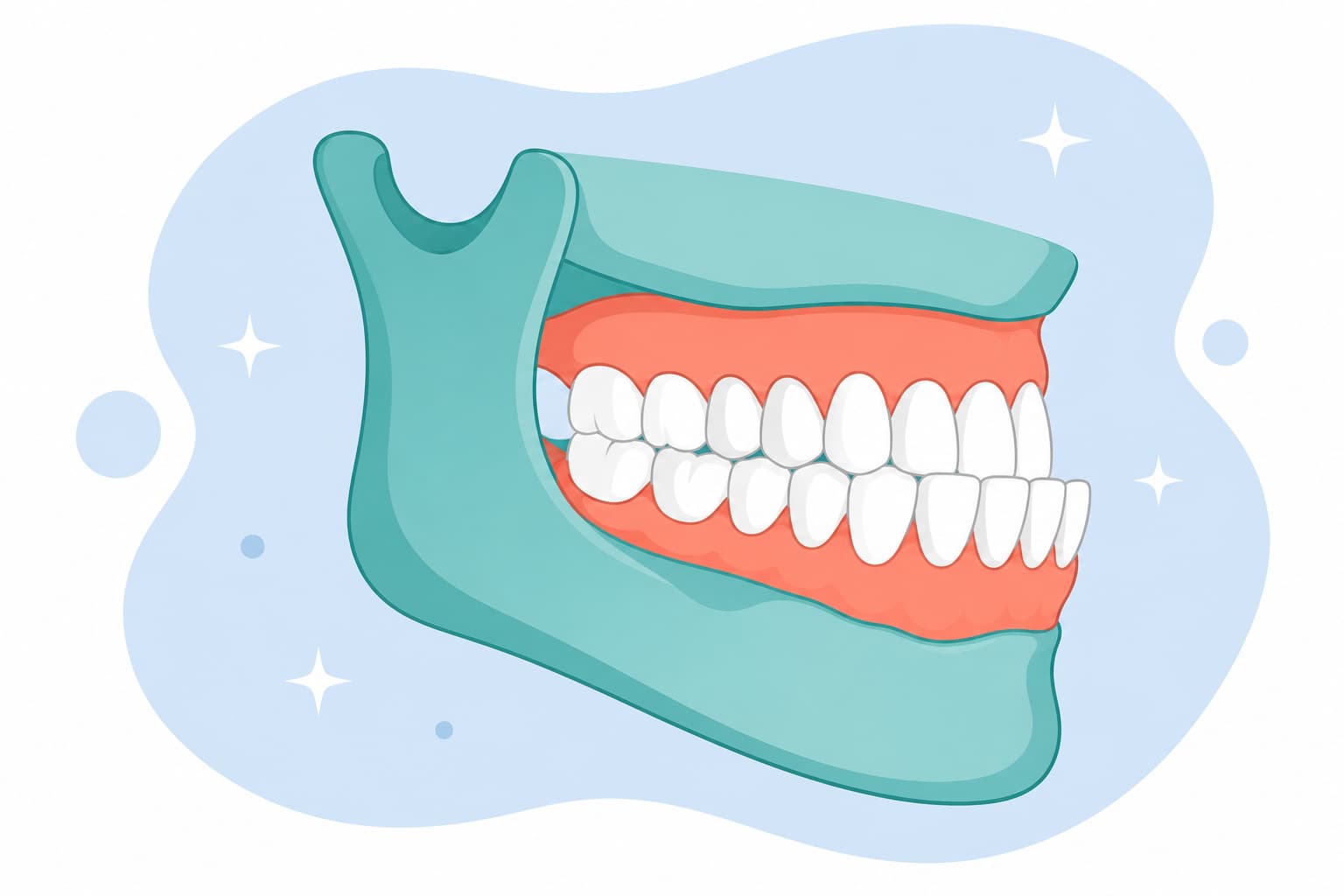
An underbite is when your lower front teeth sit in front of your upper front teeth. The bite is reversed. It's less common than an overbite but often more complex to treat, which is exactly why who treats it matters.
Dr. Tahir and Dr. Lia have been correcting underbites for over 30 years, including cases other practices said needed surgery. Many of those patients got a great result without it. Your first visit is free.
What Is an Underbite?
In a normal bite, your upper front teeth sit slightly in front of your lower front teeth. An underbite flips that. Your lower teeth stick out past your upper teeth when you bite down. Sometimes slightly. Sometimes dramatically.
There are two types and knowing which one you have changes the entire treatment plan:
- Dental underbite: The lower teeth are angled forward, but the jaw itself is in a normal position. The teeth are the problem, not the bone. This is usually the simpler of the two to fix.
- Skeletal underbite: The lower jaw bone is physically positioned too far forward relative to the upper jaw. This is a structural issue. It's more complex, but it's still treatable, especially when caught early.
Most underbites have elements of both. Dr. Tahir and Dr. Lia evaluate the teeth and the jaw together to figure out exactly what's driving yours.
What Causes an Underbite?
Genetics
The number one factor. Jaw structure runs in families. If a parent, grandparent, or sibling has an underbite, the chances go up significantly. You can't prevent a genetic underbite, but you can treat it early and effectively.
Jaw Growth Imbalance
During childhood development, the lower jaw can outgrow the upper jaw. When the lower jaw ends up further forward than it should be, an underbite forms. This is the skeletal component and it's why early treatment during the growth years makes such a difference.
Childhood Habits
Thumb-sucking and finger-sucking can influence how the jaw grows and where teeth end up. The effect is subtle but cumulative over years of the habit.
Missing Upper Teeth
When upper teeth are missing, the lower jaw has less resistance and can drift forward over time. The gap changes the balance between the two jaws.
Why You Shouldn't Ignore an Underbite
An underbite doesn't improve on its own. In kids, it usually gets worse as the jaw continues to grow. In adults, the damage accumulates. Here's what's at stake:
- Chewing. Your front teeth are supposed to meet and work together like scissors. With an underbite, they can't. Biting into food is inefficient and frustrating. The back teeth compensate, which creates its own set of problems.
- Tooth wear. The reversed bite puts abnormal forces on your upper front teeth. They wear down faster than they should, getting shorter and weaker over time.
- Jaw pain and TMJ issues. An underbite forces your jaw into an unnatural position every time you close your mouth. Over years, that stress shows up as joint pain, clicking, headaches, and muscle fatigue.
- Speech. Underbites can cause lisping and affect how clearly you pronounce certain sounds. A lot of patients don't realize the underbite is behind their speech patterns until it's corrected.
- Gum recession. The lower front teeth in an underbite often push against tissue they shouldn't. That leads to gum recession that doesn't reverse on its own.
- Breathing. Severe underbites, especially skeletal ones, can affect airway space and contribute to breathing problems.
- Confidence. An underbite changes your facial profile. The lower jaw looks more prominent. A lot of patients say they avoided side-profile photos or felt self-conscious in conversations.
The bottom line: underbites affect eating, speaking, breathing, jaw health, tooth longevity, and how you feel about your face. Every year without treatment is a year of compounding damage. The earlier it's addressed, the more options we have and the less invasive the treatment needs to be.
How We Fix Underbites at Cool Braces
Growth Guidance for Kids (the biggest advantage)
If your child has an underbite and they're still growing, that growth is our most powerful tool. We can actually redirect how the jaw develops. That's something we can't do once growth stops.
- Facemask (reverse-pull headgear): Worn at night, it applies gentle forward pull on the upper jaw. Over months, the upper jaw moves forward and the skeletal imbalance improves. This works because the bones are still flexible and responsive during childhood growth.
- Palatal expander: Often used alongside a facemask. It widens the upper jaw so the upper teeth can sit outside the lower teeth the way they're supposed to. Expansion and forward pull together create a dramatic correction.
The ideal window for this treatment is ages 7 to 10, when growth is fastest. Dr. Tahir has been using these appliances for over 30 years. He knows exactly when to start, how much force to apply, and when the growth has done its work. Timing is everything with underbite treatment in kids, and experience is what gets the timing right.
Learn more about early treatment.
Traditional Braces
After growth guidance, or as the primary treatment in older teens and adults, braces finish the alignment:
- Positioning upper teeth forward
- Positioning lower teeth back
- Coordinating both arches so the bite closes correctly
- Fine-tuning the relationship between upper and lower teeth
Braces are essential for making the result precise and stable. Growth guidance changes the jaw. Braces perfect the teeth within that corrected jaw.
Learn more about traditional braces.
Correcting Underbites Without Surgery
This is where Cool Braces stands apart. A lot of patients come to us after being told by another practice that surgery is the only option. In many of those cases, Dr. Tahir and Dr. Lia have corrected the underbite without surgery.
How? By combining growth-guiding appliances at the right time with advanced braces technique and strategic tooth positioning. The key is starting during the growth window and using that biology to our advantage.
We're not saying surgery is never needed. Some severe skeletal underbites genuinely benefit from it. But many patients who were told they need surgery are actually candidates for non-surgical correction when the orthodontist has the experience and the tools to do it differently.
Our approach combines:
- Strategic use of growth-guiding appliances in youth
- Advanced braces technique
- Precise tooth positioning and jaw guidance
If you've been told surgery is your only option, come in for a second opinion. Ours is free. Bring your records. Let Dr. Tahir and Dr. Lia take a fresh look.
Orthodontic Surgery (When It's the Right Call)
For severe skeletal underbites where the lower jaw is drastically forward and growth guidance isn't an option (usually in adults whose growth is complete), combined orthodontics and jaw surgery can produce results that braces alone can't achieve.
We partner with experienced oral surgeons and coordinate the entire process: braces before surgery to align the teeth, surgery to reposition the jaw, and braces after surgery to finalize the bite.
Surgery sounds intimidating. But when it's the right call, the transformation is significant. We'll walk you through every step and we'll only recommend it when non-surgical options truly can't get you where you need to be.
How Long Does Underbite Treatment Take?
It depends on the type and severity:
Dental underbites (tooth-only): 18 to 24 months with braces. Skeletal underbites with growth guidance in kids: 6 to 12 months of appliance therapy, then 18 to 24 months of braces. Surgical cases: 12 to 18 months of braces before surgery, surgery, then 6 to 12 months of braces after.
Those are general ranges. Every underbite is different. Dr. Tahir and Dr. Lia need imaging and a full evaluation before giving you a timeline that actually reflects your case. You'll get that at your free consultation.
Underbite Treatment for Kids, Teens, and Adults
- Kids (ages 7 to 10): This is the golden window. Growth-guiding appliances can redirect jaw development while the bones are still flexible. What we can accomplish in 6 to 12 months during this window might take surgery to achieve later. If your child has an underbite, don't wait. This is the one bite issue where timing matters most.
- Teens: If the underbite wasn't caught early, treatment depends on how much growth remains. Early teens may still benefit from some growth modification. Later teens are typically treated with braces alone, similar to adults. Results are still excellent. The approach just shifts from growth guidance to tooth positioning.
- Adults: Adult underbites are treated with braces, sometimes combined with surgery for severe skeletal cases. Growth guidance isn't an option because the jaw has stopped growing. But braces can reposition teeth effectively and correct dental underbites completely. For skeletal cases, we'll tell you honestly whether braces alone can get a result you'll be happy with, or whether surgery would give you a meaningfully better outcome.
What Should You Do Now?
Underbites are the cases that separate experienced orthodontists from everyone else. They're complex. They require imaging expertise, growth timing, and the clinical skill to know when surgery is necessary and when it's not.
Dr. Tahir has been treating underbites for over 30 years. He teaches orthodontics at UIC. He's corrected cases other practices sent to surgeons. Dr. Lia trained alongside him and brings the same precision and judgment to every case.
If you or your child has an underbite, this is the consultation worth getting.
Your first visit is free, and you'll have one of the most experienced sets of eyes in the room looking at your bite.
What Makes Cool Braces Different From Old-Fashioned Orthodontic Solutions



Frequently Asked Questions
Not necessarily. Many underbites respond well to orthodontic treatment alone, especially when caught early. Surgery is sometimes needed for severe skeletal cases where the jaw discrepancy is too significant for braces to fully correct. But most patients never need it. Come in and let Dr. Tahir and Dr. Lia take a look. They'll give you the full picture with your X-rays in front of you. No sugarcoating.
The sweet spot is ages 7 to 10, when growth is fastest. Starting early lets us guide the jaw before permanent teeth fully come in. Later treatment still works, just with a different game plan. The earlier we look, the more options we have.
A dental underbite is about tooth position. The jaw is normal but the teeth are angled in a way that puts the lower teeth in front. A skeletal underbite is about jaw structure. The lower jaw sits too far forward, the upper jaw is too far back, or both. Kids with skeletal underbites can often be treated with growth-guiding appliances during the right window. Adults with severe skeletal cases may need surgery. Most people have a mix of both. We'll figure out exactly what's driving yours at your consultation. Different type, different plan.
Depends on severity and age. Kids treated during active growth often finish faster because we can redirect jaw development with appliances before braces. Adults rely entirely on tooth movement, which takes longer. Cases involving surgery add time for the surgical phase and recovery. Dr. Tahir and Dr. Lia will give you a specific timeline after reviewing your X-rays and doing a full exam. First visit is free.
Yes. Growth modification appliances won't work on adult bone, but braces do. Most adult underbites respond well to orthodontic treatment alone. Severe skeletal cases may benefit from surgery combined with braces, but that's uncommon and we'd only go there if it genuinely produces a better result. Come in and let Dr. Tahir and Dr. Lia give you an honest assessment. First visit is free.
We're Ready When You Are.